In vitro fertilization (IVF)

What you need to know about in vitro fertilization

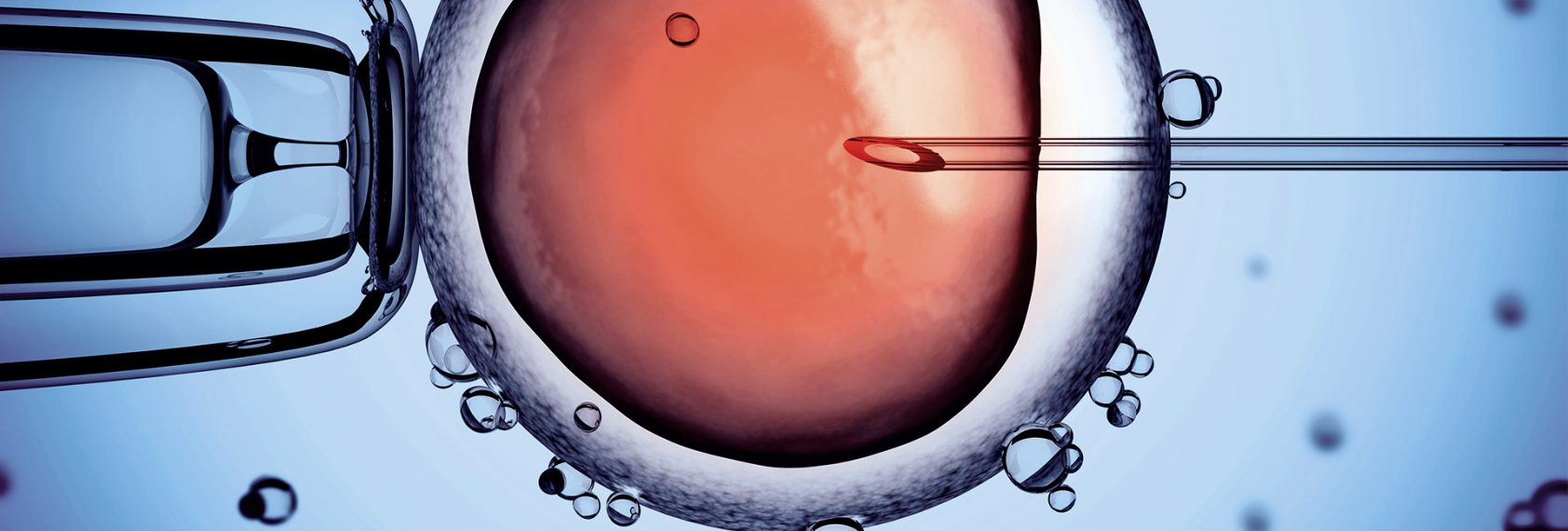
In vitro fertilization is widely recognized as the most effective assisted reproductive treatment available today. Every year, it helps thousands of Quebec families bring their parenting dreams to life — including couples who had nearly given up hope.

At Fertilys, IVF is not a one-size-fits-all protocol. It's a personalized journey, built around your medical reality, your pace, and your well-being.

Who Is IVF For?

IVF is recommended in many different situations. It's not reserved for the most complex cases — it's often the most direct path to pregnancy when other approaches haven't worked, or right from the start when your fertility assessment points that way.

Some of the most common situations include:

  • Absent, blocked, or damaged fallopian tubes
  • Male infertility requiring assistance with fertilization
  • Endometriosis affecting fertility
  • Unexplained infertility after a complete workup
  • Advanced maternal age, where time is a determining factor
  • A desire to perform preimplantation genetic testing before embryo transfer
  • Fertility journeys for single individuals or LGBT couples

If you recognize yourself in any of these situations or if you simply have questions a first consultation with a Fertilys physician is all it takes to assess your options.
Frequently asked questions

  • What is the actual duration of an IVF cycle, from the first day of stimulation to the pregnancy test?

    In general, an IVF cycle lasts between 4 and 6 weeks, from the start of ovarian stimulation to the pregnancy test.

    Although each journey is unique, a cycle typically includes ovarian stimulation, egg retrieval, laboratory fertilization, and then embryo transfer, when planned. After the transfer, a waiting period of approximately two weeks is required before taking the pregnancy test.

  • Is egg retrieval a painful surgical procedure, and does it require anesthesia?

    Egg retrieval is a minor procedure performed under anesthesia to ensure your comfort during the process. As a result, most patients do not feel pain during the procedure.

    After retrieval, it is normal to experience mild discomfort, cramps similar to menstrual pain, or bloating for a few days. These symptoms are generally temporary and subside quickly.

  • What happens to my surplus embryos (those that are not transferred immediately)?

    Cryopreservation allows you to store embryos for a future transfer without having to undergo a complete cycle of ovarian stimulation and egg retrieval again. Together with your medical team, you can decide on the timing and use of these embryos based on your family plans.

    The embryos remain cryopreserved for as long as you choose to maintain their storage, in accordance with your consent and applicable regulations.

  • Why does Fertilys sometimes favor a frozen embryo transfer (FET) over a fresh transfer?

    In certain situations, a frozen embryo transfer can offer the best conditions to encourage a pregnancy. Depending on your situation, the doctor may recommend postponing the transfer to allow your body time to recover after ovarian stimulation or to perform the transfer when the uterus is at its most receptive.

    The recommendation between a fresh transfer and a frozen transfer is always personalized. It takes into account your overall health, your response to treatment, and what offers the highest chances of success for your family plans.

  • If my first IVF attempt fails, do I have to restart the entire stimulation process from the beginning?

    Not necessarily. The next steps in your journey will depend primarily on the number of embryos that were obtained and preserved during your first IVF cycle.

    If embryos were cryopreserved, it is often possible to proceed with a frozen embryo transfer without having to undergo ovarian stimulation or egg retrieval again. On the other hand, if no embryos are available, a new stimulation cycle may be necessary.

    After each attempt, the results are re-evaluated to determine the best approach moving forward, based on your individual situation and goals.

Find more questions in our FAQ